If you’ve seen headlines about a possible “Super El Niño” this winter, NOAA’s latest update gives homeowners even more reason to pay attention.
On September 10, NOAA’s Climate Prediction Center reported that El Niño strengthened further during August and now has a greater than 90% chance of becoming a very strong event during fall and winter 2026-27. NOAA also increased the probability of a historically strong El Niño during October through December to 75%, up from 69% in its August forecast.
That does not mean a severe or unusually wet winter is guaranteed for the Midwest. El Niño changes large-scale weather patterns and can influence where storms, precipitation and temperature anomalies develop, but every event is different.
For homeowners, the bigger takeaway is that changing weather can mean changing soil-moisture conditions around the home.
After extended dry periods, soil can shrink and pull away from a foundation. When precipitation returns, that soil can take on moisture and expand again. Those changes in soil conditions can place different pressures on a foundation and may make existing cracks, settlement or water-intrusion problems more noticeable.
That makes fall a good time to pay attention to what your home may already be telling you before winter arrives.
El Niño is a recurring climate pattern tied to unusually warm water in the central and eastern tropical Pacific Ocean. Those ocean temperatures can influence the jet stream and shift temperature and precipitation patterns across the United States.
Even a very strong El Niño does not guarantee a specific winter in any one city. NOAA stresses that stronger events make typical El Niño impacts more likely, but not certain. That is why homeowners should think in terms of preparedness rather than prediction.
One reason this winter is worth watching is the transition from dry conditions to potentially wetter periods. When soil around a home dries out, some soil types shrink and can pull away from the foundation. When moisture returns, that same soil can swell again.
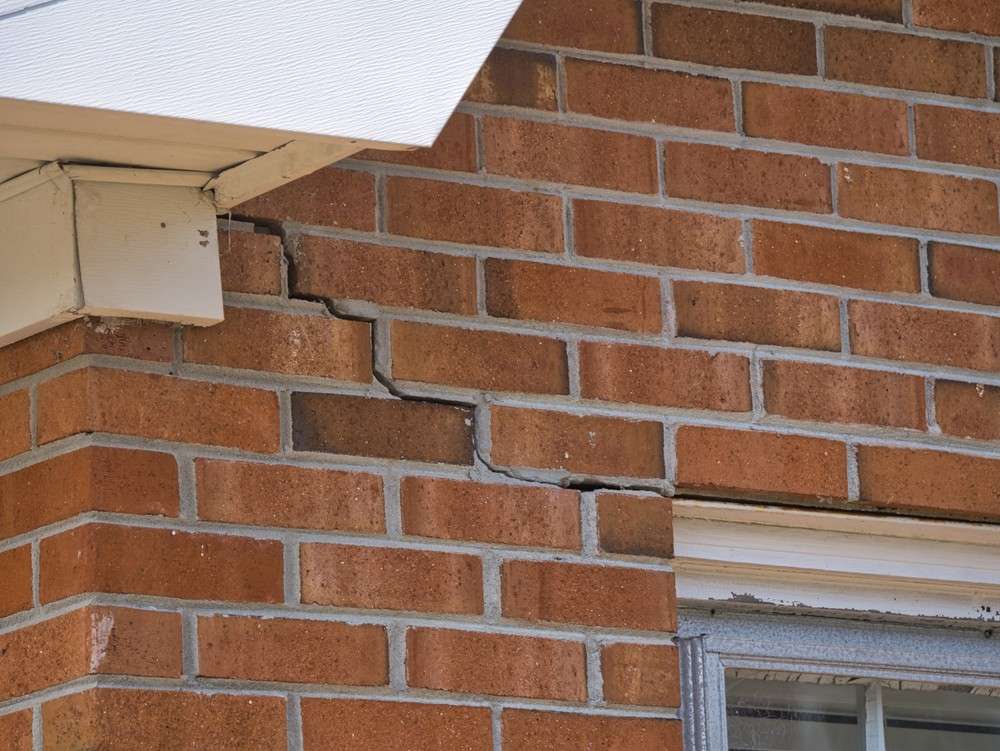
That repeated expansion and contraction can change the support around a foundation. Over time, it may contribute to settlement, shifting, or the appearance of cracks and other signs of movement.
The concern is not simply “more rain.” It is the change in moisture conditions around the home, especially after an extended dry stretch.
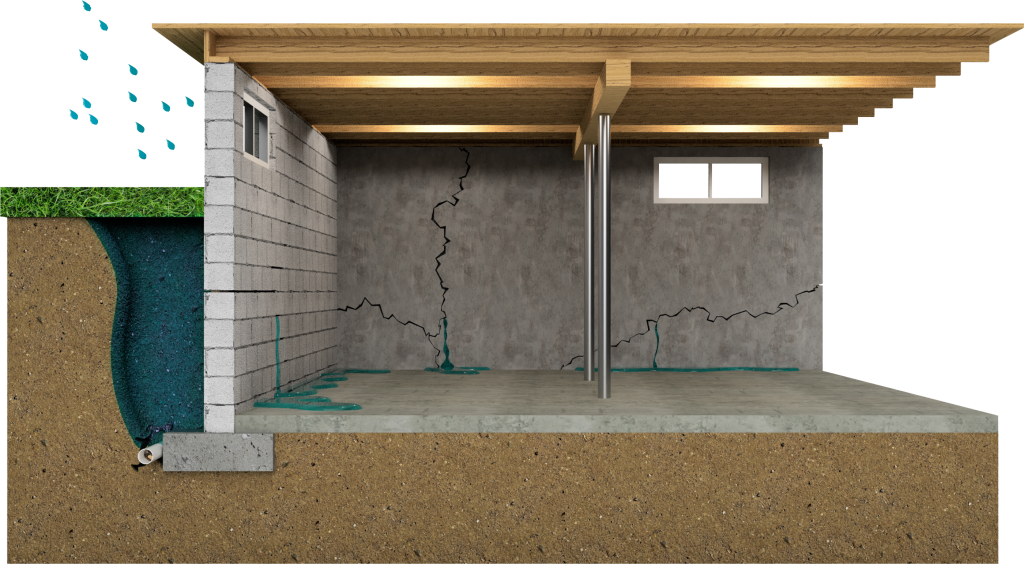
If wetter weather develops, homeowners should also pay attention to how water moves around the property. Saturated soil can increase the amount of water pressing against below-grade walls and can expose weaknesses in drainage or waterproofing systems.
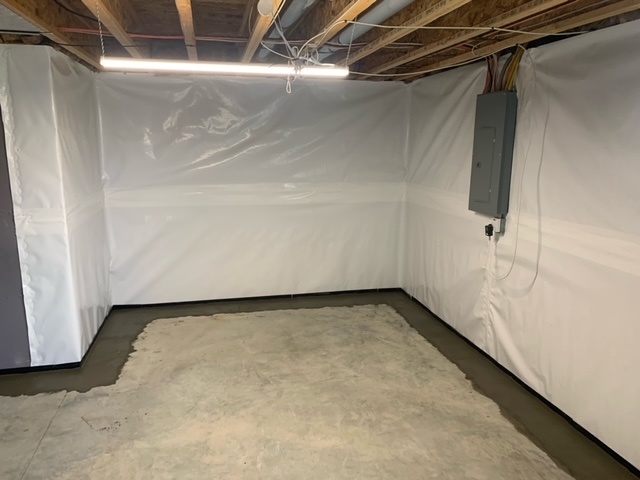
Basement seepage, damp crawl spaces, musty odors, standing water, and elevated humidity are all signs worth addressing. Gutters, downspouts, grading, sump pumps, drainage systems, and waterproofing all play a role in directing water away from the home.
No forecast can tell you exactly what will happen at your house this winter. But seasonal weather changes are a good reminder to inspect the areas of your home that are easiest to ignore until a problem becomes obvious.
If you have already noticed foundation cracks, sticking doors, uneven floors, basement water, or crawl space moisture, it may be worth having the issue evaluated before winter weather puts additional stress on the home.
If you are seeing signs of foundation movement or water intrusion, Helitech can help identify the cause and recommend the right solution for your home.