Why Foundations Shift in Terre Haute
Terre Haute sits on Vigo County soil that responds quickly to moisture changes. When heavy rain arrives off the Wabash River valley, the ground absorbs water and expands, pressing against foundation walls and increasing lateral pressure. When dry weather returns, the soil contracts and leaves pockets of unsupported space beneath the home. Over time, this cycle causes changes inside your home that grow more noticeable with each passing season.
Temperature swings add another layer of stress. Cold weather tightens the soil and increases upward pressure on slabs and basement walls. Warm weather allows the ground to settle again. Homes near lower-lying areas of the valley or with older drainage systems that hold water close to the foundation feel these effects most strongly.
Older Terre Haute homes, including many in established neighborhoods near Indiana State University and Rose-Hulman, face additional challenges from aging foundation materials and drainage infrastructure that was not designed for today’s rainfall intensity. These conditions make recognizing early warning signs especially important for local homeowners.
Early Indicators Your Terre Haute Home May Be Shifting
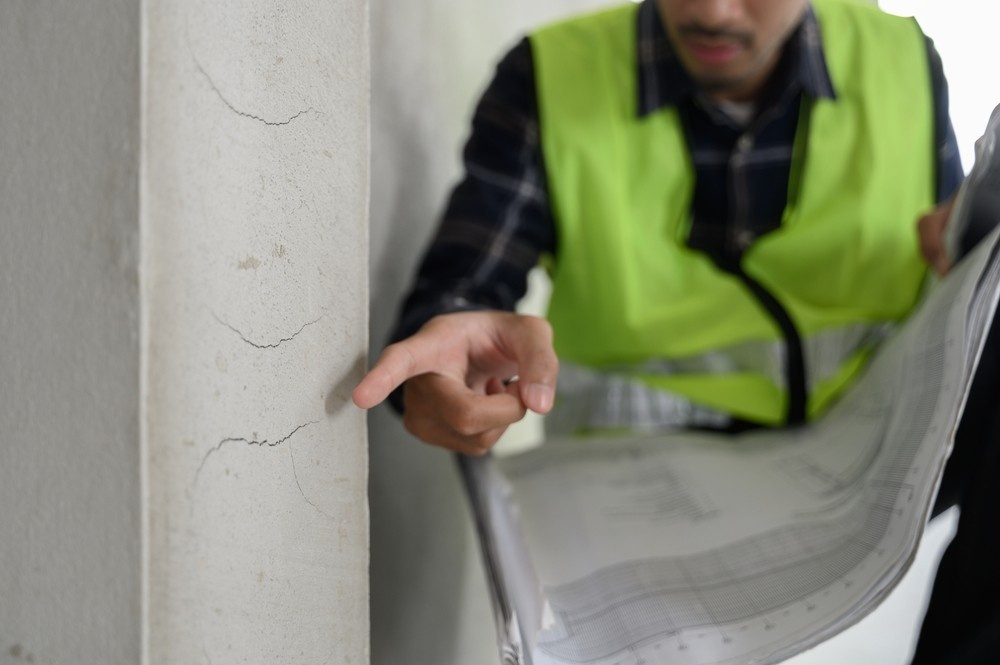
Foundation changes rarely begin with dramatic damage. Most start with small signals that grow clearer as soil movement continues throughout the year. Paying attention to these early shifts helps you address the issue before it becomes more serious and more expensive to correct. Look for signs such as:
- Cracks that continue to widen in drywall, flooring, or exterior masonry.
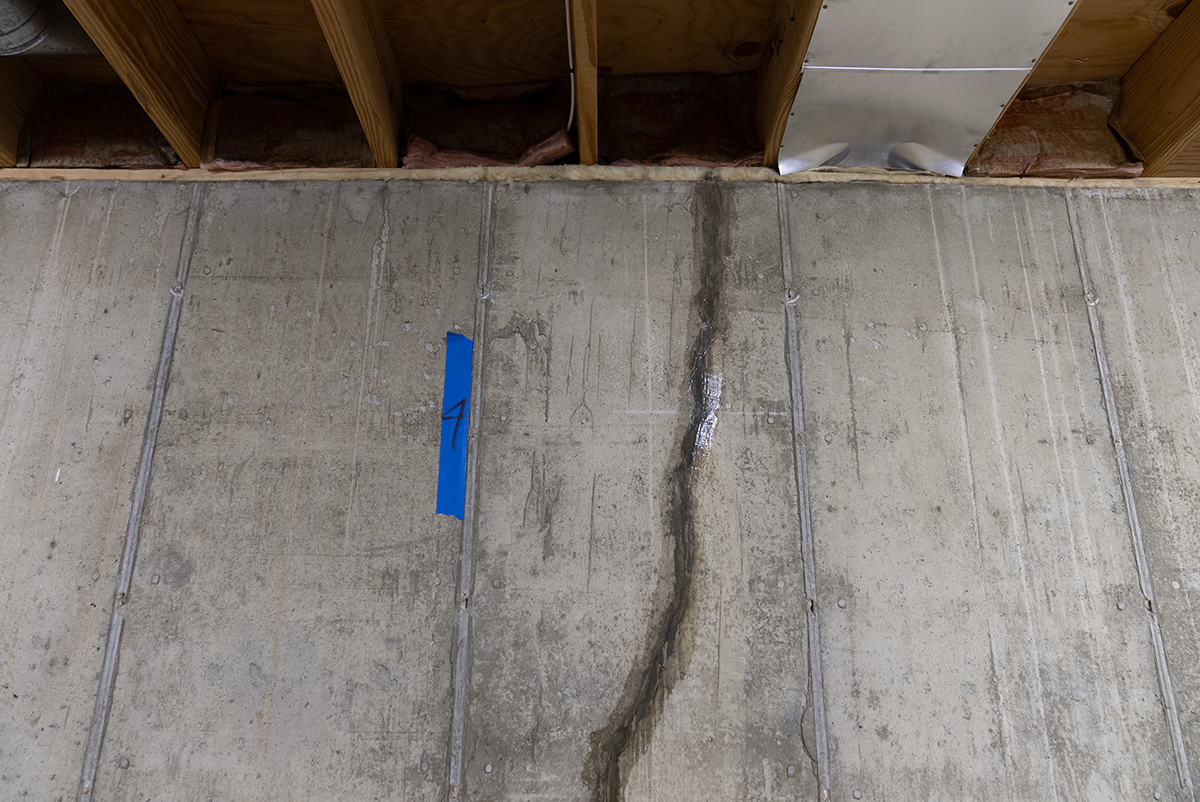
- Basement walls that lean, bow, or show horizontal cracking.
- Floors that slope, sag, or feel uneven underfoot.
- Gaps forming around doors, windows, or trim where tight seams once existed.
- Doors or windows that stick, drag, or open unevenly depending on the season.
- Moisture stains, musty smells, or damp areas in the basement.
- Baseboards or trim pulling away from walls.
If you notice any of these changes, your foundation may be shifting due to soil movement or moisture pressure. A professional evaluation can help confirm what is happening and determine the best next steps.