Understanding Concrete Settlement in Noblesville
Most sinking slabs can be traced back to one underlying problem: soil that can no longer support the weight above it. In Noblesville, the ground shifts more than homeowners often realize. Moisture levels change from season to season, temperatures fluctuate, and clay rich soil expands and contracts. When the soil beneath your slab loses strength or dries out unevenly, the concrete above begins to settle, tilt, or drift out of alignment.
Early Warning Signs Homeowners Should Watch For
These subtle indicators often appear weeks or months before major settlement becomes noticeable. Homeowners may see:
- A walkway panel that moves or feels unstable when stepped on
- Driveway cracks that lengthen, deepen, or widen after heavy rainfall
- Water collecting near exterior walls, garage entries, or landscaping
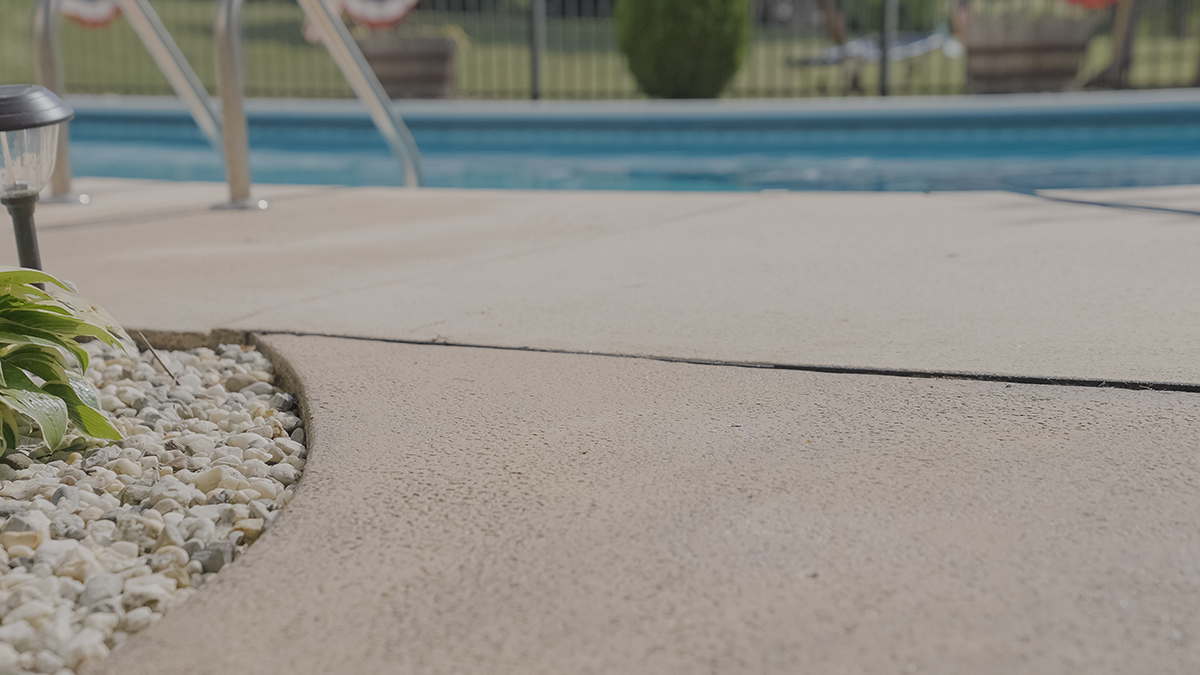
- Patio slabs separating at the seams and creating uneven joints that affect furniture placement
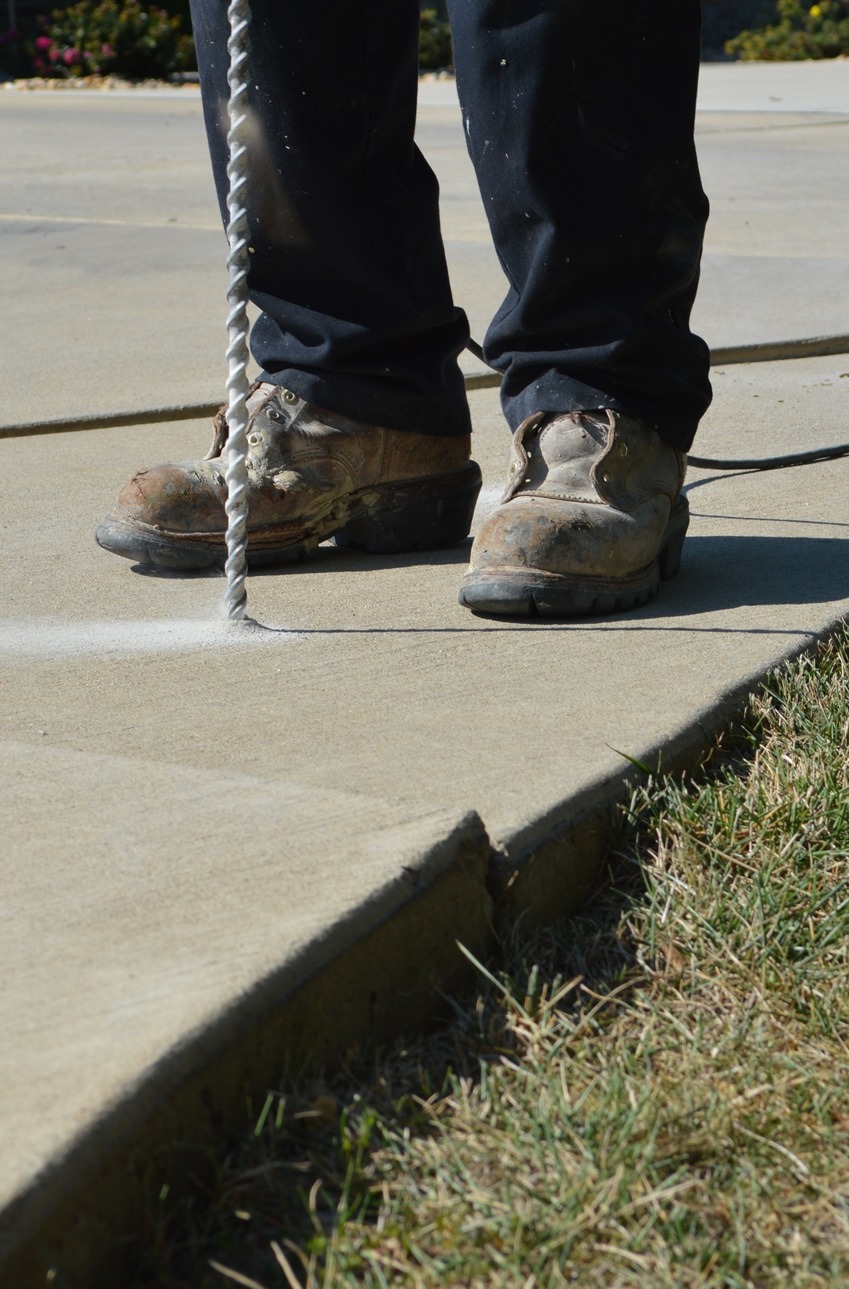
- Areas where soil has visibly pulled away from the sides of the slab
- Small gaps forming beneath the edges of concrete panels
Soil Conditions That Lead to Settlement
Noblesville’s soil reacts strongly to seasonal weather shifts. Several local conditions make settlement more likely, including:
- Construction soil that was not compacted firmly enough during the original build, leading to slow but steady sinking
- Clay based ground common in Hamilton County that contracts during dry spells, then swells rapidly after rainfall
- Old or decaying root networks beneath the slab creating empty pockets over time
- Drainage patterns or downspout locations that direct runoff toward concrete instead of guiding it away
- Repeated freeze thaw cycles that increase soil movement throughout winter months
These factors appear in neighborhoods throughout Noblesville, including Hazel Dell Woods, Mill Grove, Sagamore, Prairie Lakes, and surrounding communities. Even when sinking slabs appear severe, most can be restored through advanced leveling rather than full replacement.