How Bloomington’s Soil Affects Your Foundation
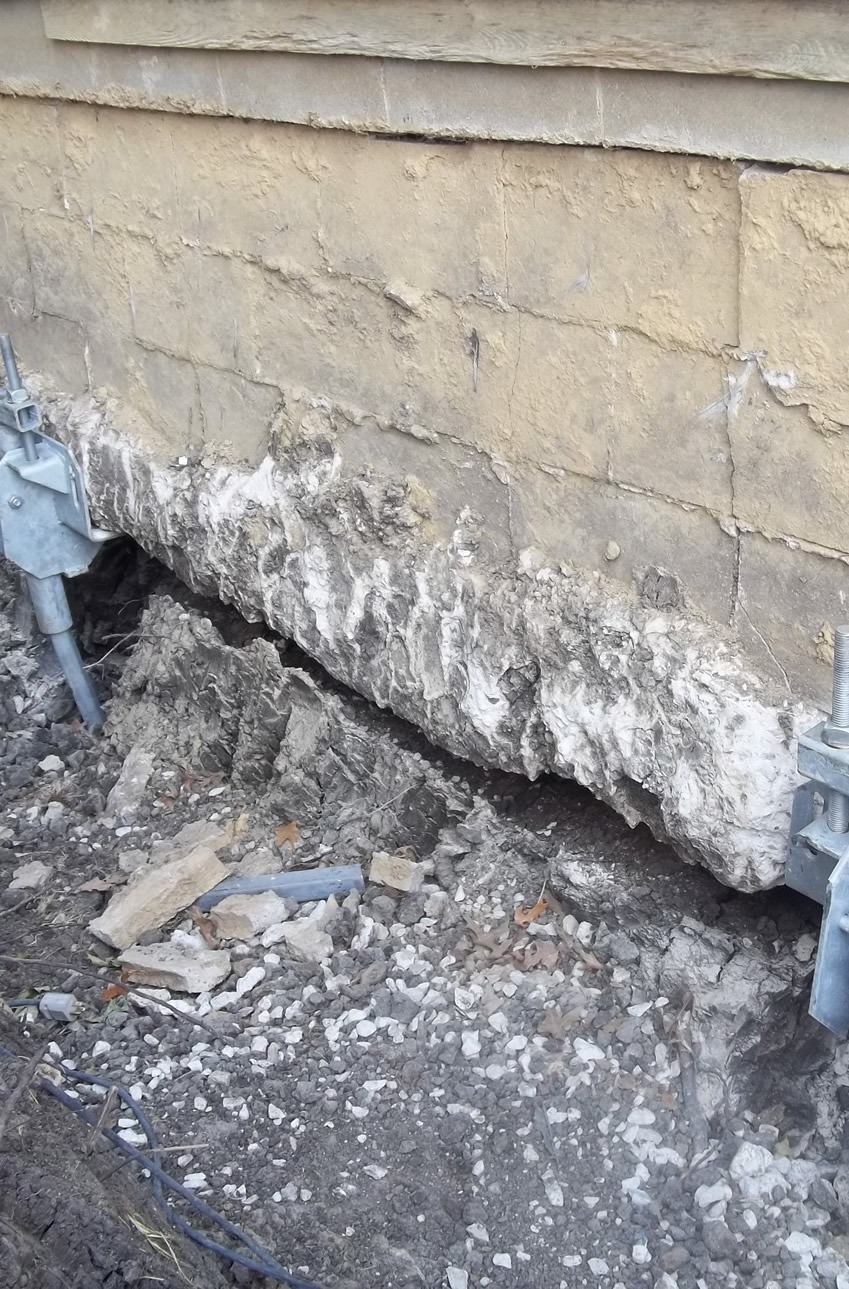
Bloomington sits on clay-heavy soil that reacts quickly to moisture. When rain soaks the ground, the clay expands and presses against your foundation walls. When the weather turns dry, that same soil contracts and leaves empty voids beneath slabs and footings. This cycle repeats throughout the year and creates uneven pressure on your home’s structural base.
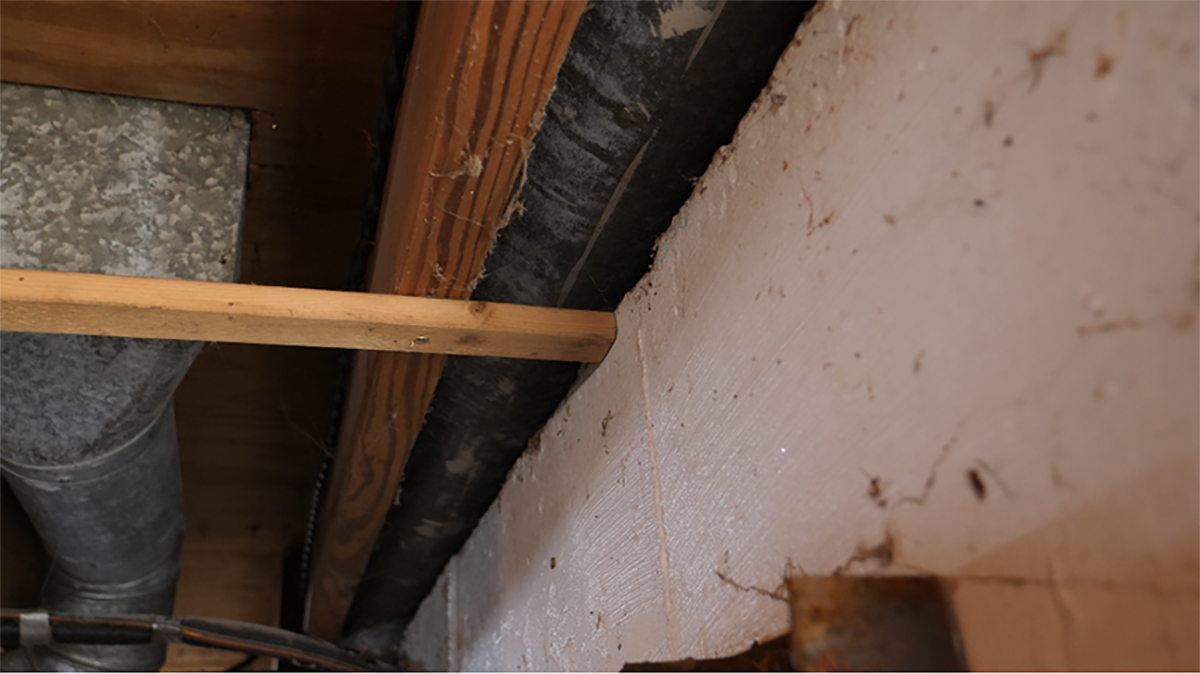
Indiana’s frequent temperature swings compound these effects. Freeze cycles cause soil to rise and fall, increasing stress on basement walls season after season. Over time this movement causes walls to bow, floors to shift, and cracks to develop and widen. Homes with older or inadequate drainage systems face even greater pressure because water collects near the foundation rather than being directed safely away from it.
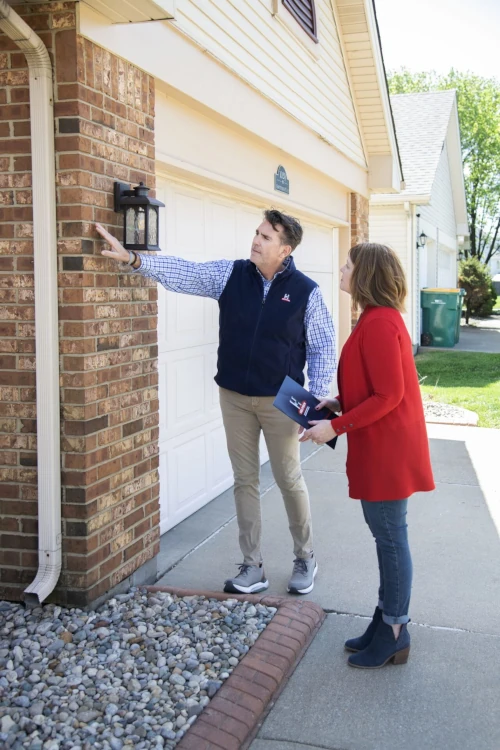
Understanding these local soil dynamics is essential to choosing the right repair approach. Helitech’s team brings this knowledge to every foundation inspection we perform in Bloomington.
Why Bloomington Homeowners Choose Helitech
Helitech has been helping Indiana homeowners protect their foundations since 1987. Our team understands the specific soil conditions, moisture challenges, and seasonal weather patterns that affect Bloomington and Monroe County homes.
As a family-owned company grounded in faith and integrity, we approach every project with honest communication and individualized attention. We explain what we find in plain language, walk you through your options clearly, and never recommend work your home does not need. Every repair is backed by the Helitech Promise and supported by flexible financing options.
With an A+ BBB rating, more than 13,000 five-star reviews, and recognition as a 10-time BBB Torch Award winner for ethics and customer satisfaction, Helitech has built a reputation throughout Indiana and the Midwest that reflects our commitment to doing the job right the first time.